
npm package discovery and stats viewer.

Discover Tips

  • General search

    [free text search, go nuts!]

  • Package details

    pkg:[package-name]

  • User packages

    @[username]

Sponsor

Optimize Toolset

I’ve always been into building performant and accessible sites, but lately I’ve been taking it extremely seriously. So much so that I’ve been building a tool to help me optimize and monitor the sites that I build to make sure that I’m making an attempt to offer the best experience to those who visit them. If you’re into performant, accessible and SEO friendly sites, you might like it too! You can check it out at Optimize Toolset.

About

Hi, 👋, I’m Ryan Hefner  and I built this site for me, and you! The goal of this site was to provide an easy way for me to check the stats on my npm packages, both for prioritizing issues and updates, and to give me a little kick in the pants to keep up on stuff.

As I was building it, I realized that I was actually using the tool to build the tool, and figured I might as well put this out there and hopefully others will find it to be a fast and useful way to search and browse npm packages as I have.

If you’re interested in other things I’m working on, follow me on Twitter or check out the open source projects I’ve been publishing on GitHub.

I am also working on a Twitter bot for this site to tweet the most popular, newest, random packages from npm. Please follow that account now and it will start sending out packages soon–ish.

Open Software & Tools

This site wouldn’t be possible without the immense generosity and tireless efforts from the people who make contributions to the world and share their work via open source initiatives. Thank you 🙏

© 2026 – Pkg Stats / Ryan Hefner

postcat-push-apinto

v0.0.3

Published

Push OpenAPI data to Apinto

Readme

Push to Apinto

Push Postcat API data to open source Apinto gateway.

1. Apinto abstract

Apinto is a high performance, scalable, and easy to maintain cloud native API gateway. Apinto gateway based on GO language modular development, 5 minutes of rapid deployment, simple configuration, easy maintenance, support cluster and dynamic expansion, and provides dozens of gateway plug-ins and practical enterprise plug-ins, let users out of the box.

2. Configuration

2.1 Deploy Apinto and Apinto dashboard

Apinto open source repository

Apinto Dashboard open source repository

2.2 Dashboard configuration

Enter the address in the browser:http://{ip or domain name}:{port}.You can Access dashboard page.
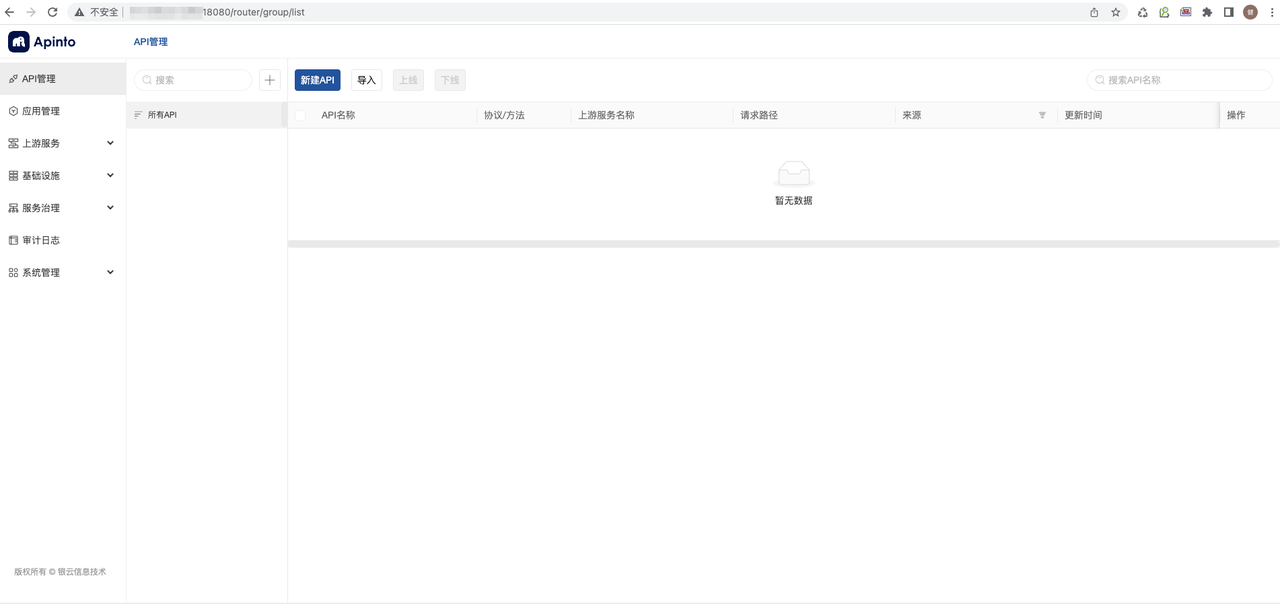
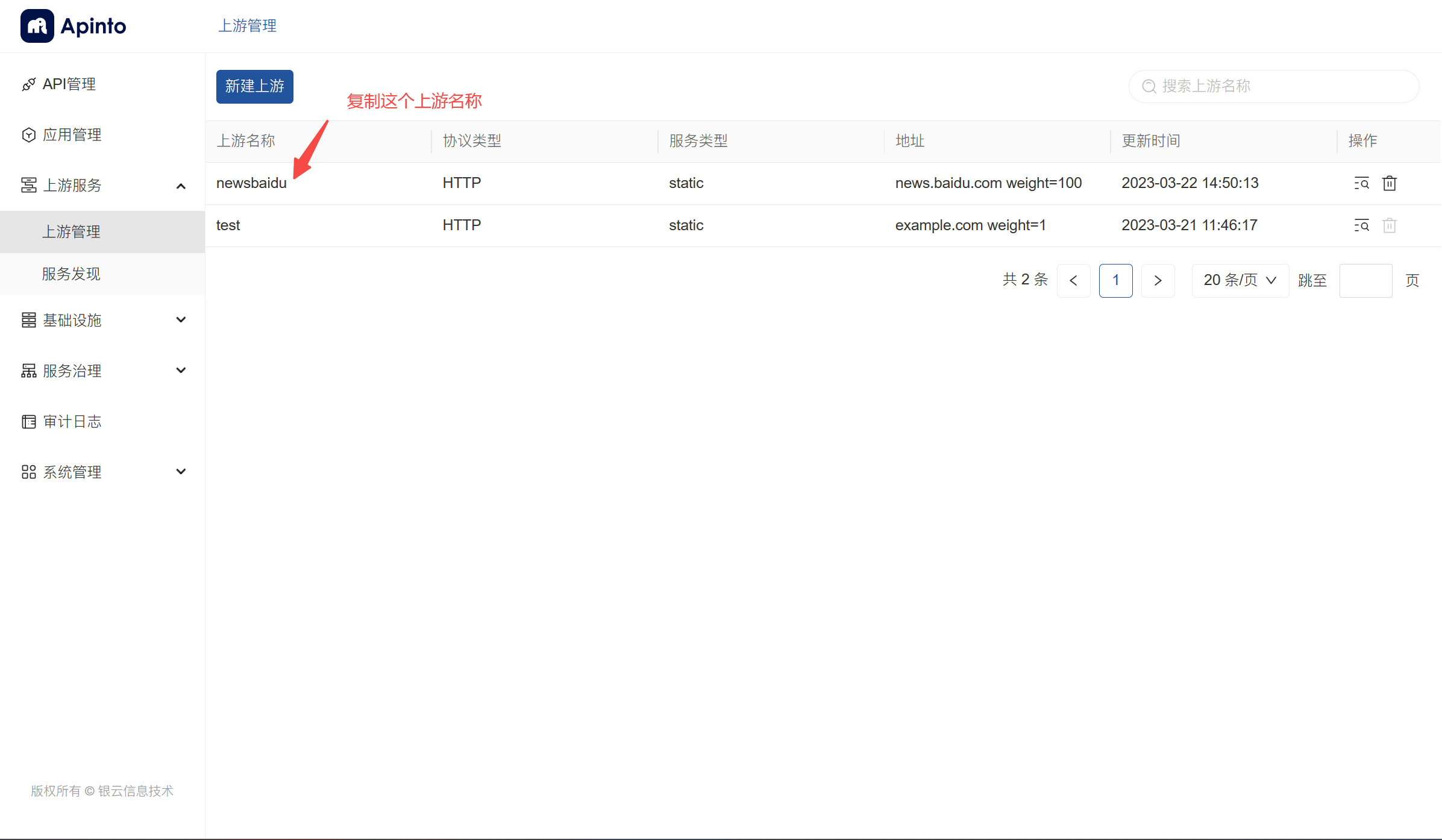
1st Step:Get upstream name

Click the Upstream service menu, expand it, and then click Upstream Management to enter the Upstream management list page. If there is no upstream, you can create one. Select the desired upstream name and copy it, as shown in the following figure:
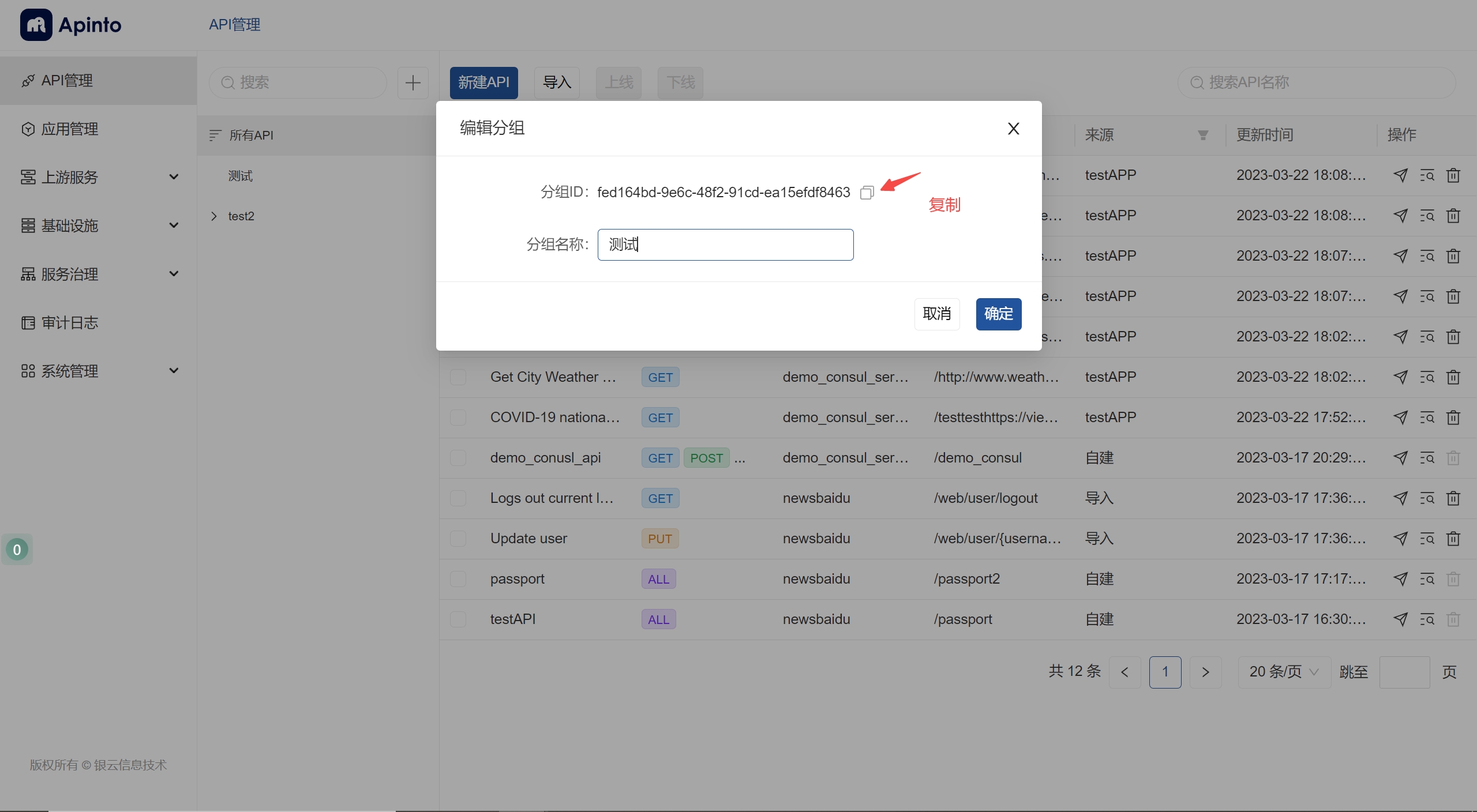
2nd Step:Get the group ID
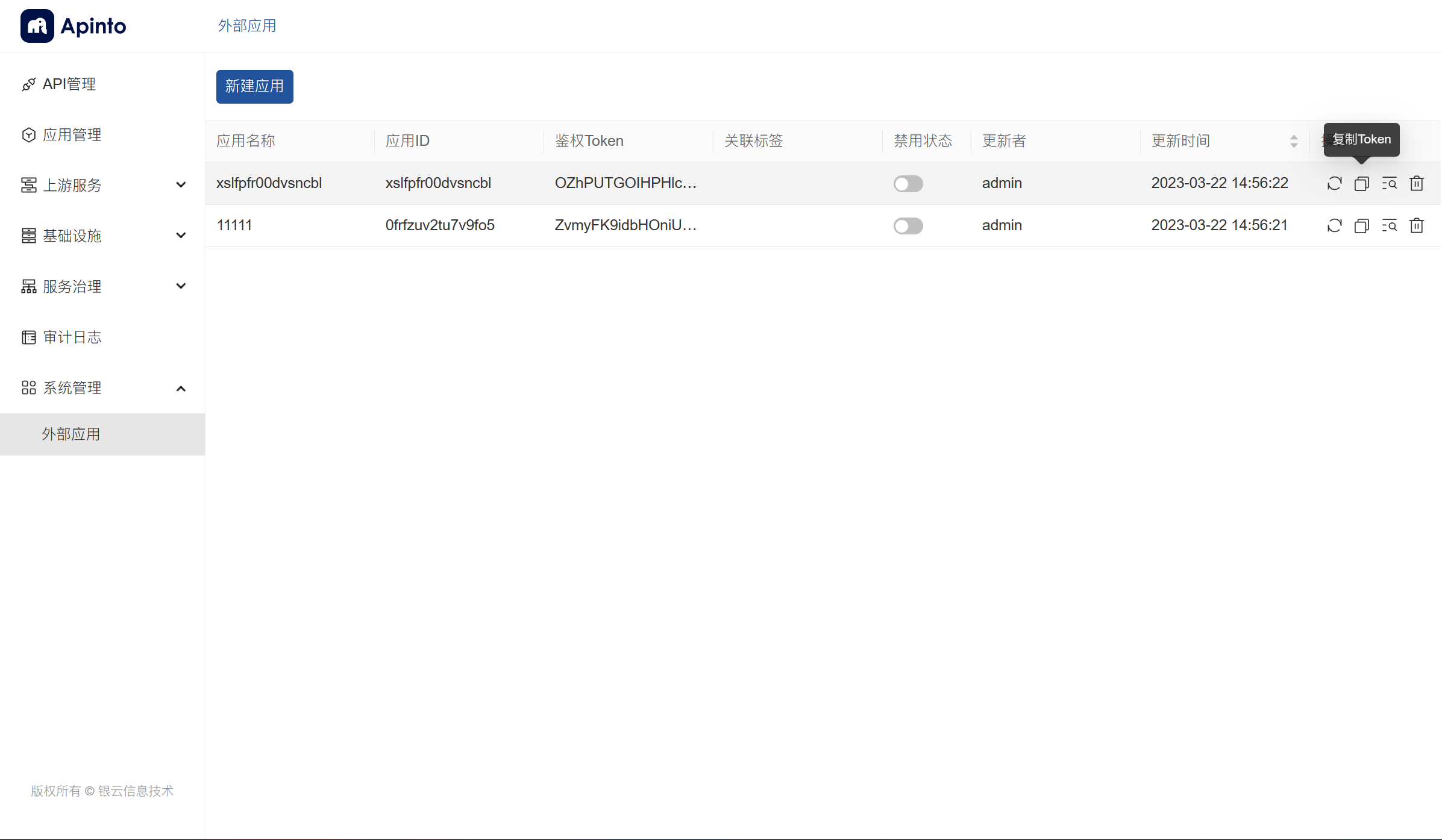
3rd Step:Get the authentication Token for the OpenAPI calling Apinto
2.3 Plug-in configuration
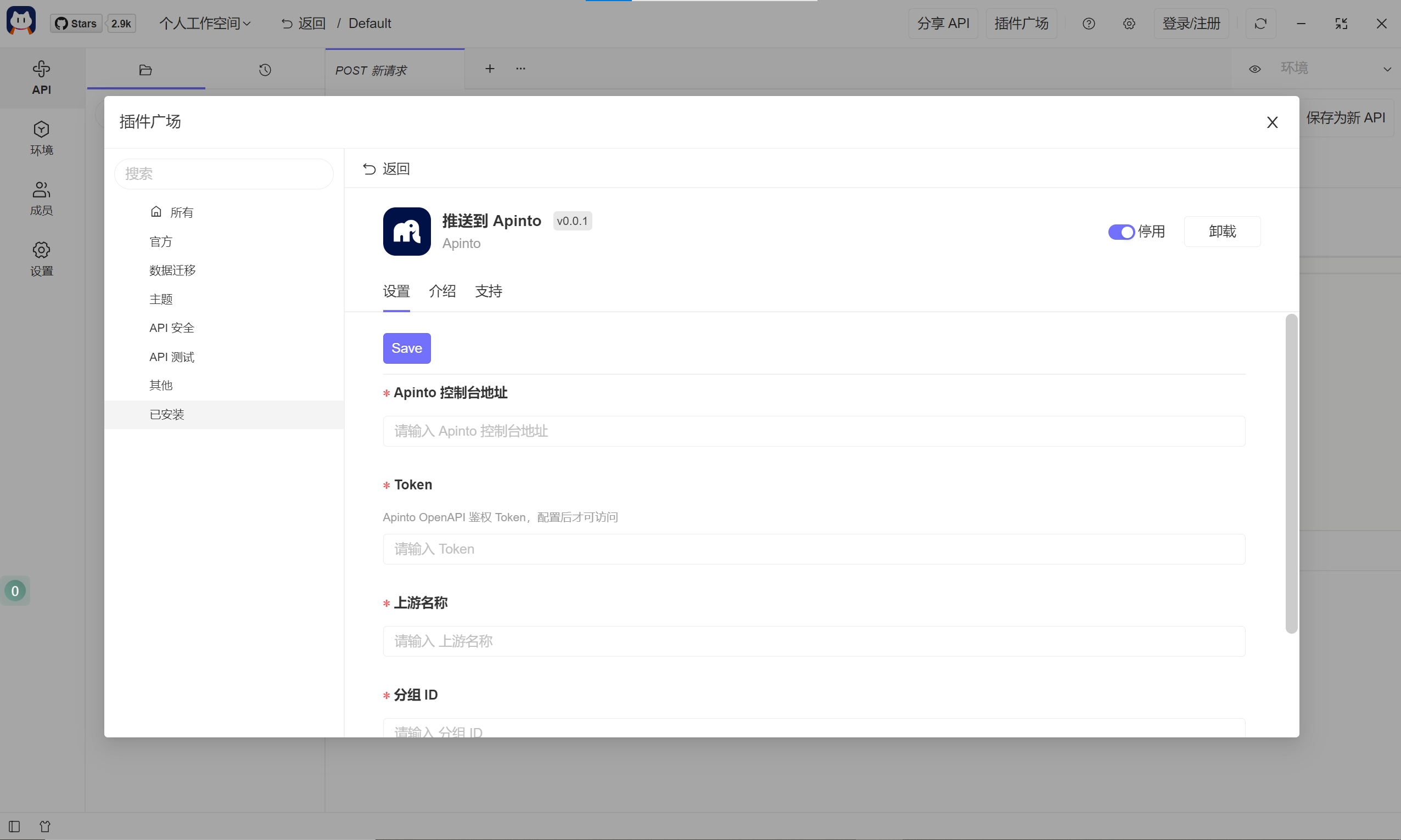
3. Use

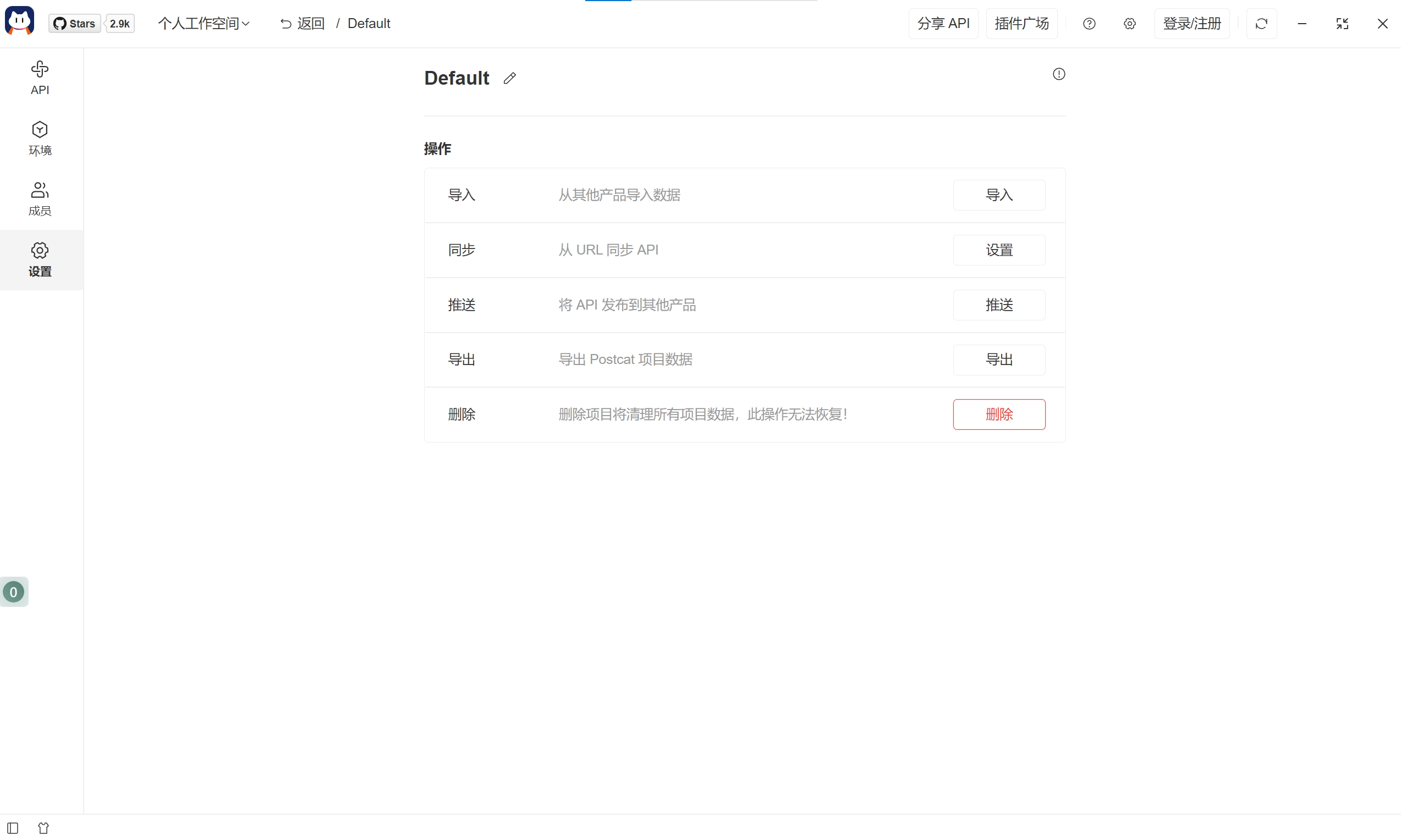
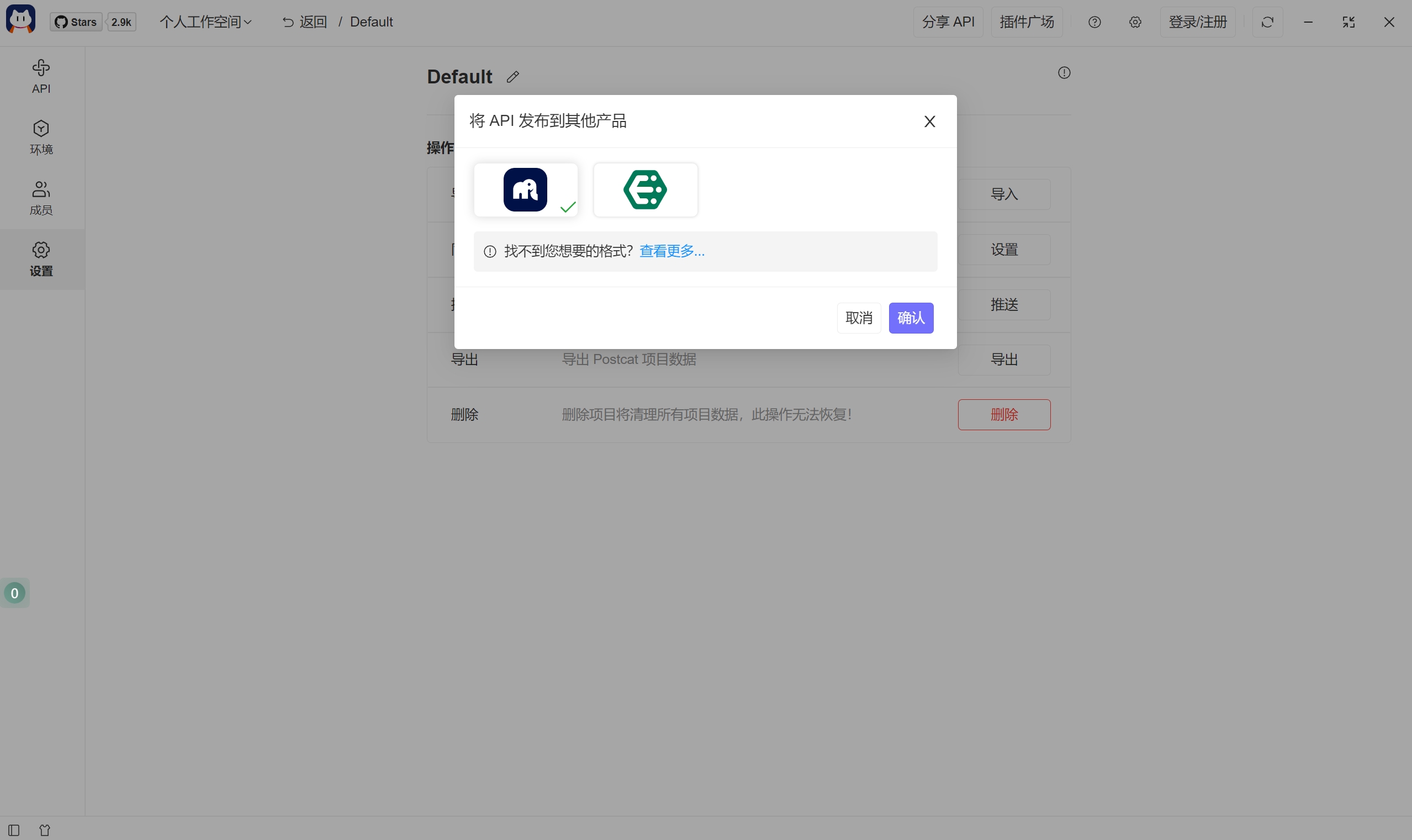
Enter the Settings on the main page and you can see the push function. Click this area to open the corresponding pop-up window and you can see the name of push plug-in. Please select the push platform you want and click "OK" button to complete the push.
4. Push result

After the push is successful, a message indicating success is displayed indicates that the push process is normal. If the push fails, a failure message will pop up. It may be a network error or the pushed data is illegal. You can contact the development developer for troubleshooting.